Cortisol, often called the "stress hormone", plays a central role in how our body manages energy, sleep and ageing. When it is in balance, it helps us wake up with energy and respond to the challenges of the day. In excess, especially at night, it disturbs the nervous system, fragments sleep and speeds up processes associated with ageing.
In this article, we explore how cortisol interacts with the nervous system and sleep, and why looking after this axis is essential to living longer and better.
What cortisol is and how its natural rhythm works
Cortisol is produced by the adrenal glands and regulated by the Hypothalamic–Pituitary–Adrenal (HPA) axis, which also coordinates sleep and wake cycles. In a healthy rhythm, cortisol levels:
- Are lowest around midnight
- Start to rise in the hours before waking
- Peak about 30 minutes after waking (the "cortisol awakening response")
- Gradually decline through the day to the night-time minimum
This "descending curve" pattern through the day is essential for restorative sleep and for the recovery of the nervous system.
Cortisol, the nervous system and sleep quality
Sleep and cortisol have a two-way relationship: cortisol influences sleep and sleep influences cortisol.
How cortisol affects sleep
High cortisol levels at night are associated with:
- Difficulty falling asleep
- More fragmented, shallower sleep
- Reduced REM sleep, which is important for memory and emotional regulation
An overactive HPA axis (common in periods of chronic stress) keeps the nervous system in a state of "alert", making it hard to relax enough to enter deep sleep.
How sleep affects cortisol
Sleeping little or badly tends to:
- Raise cortisol in the late afternoon and at night
- "Flatten" the daily cortisol curve (less difference between the morning peak and the night-time low)
This flatter curve is linked to a greater risk of metabolic, inflammatory and cognitive problems over time.
In short: stress → high cortisol at night → worse sleep → even more dysregulated cortisol → more stress.
Why this matters for longevity
Sleep is not just "rest": it is an active process of repair for the brain, the immune system and metabolism.
Research suggests that accumulating "sleep debt" over a lifetime may be associated with:
- Greater insulin resistance
- More chronic inflammation
- A higher risk of cardiovascular, metabolic and neurodegenerative diseases
High cortisol levels late in the day and at night are linked to:
- Poorer cognitive function
- More fatigue and lower physical performance
- Accelerated ageing processes
Looking after the cortisol–sleep axis is therefore a concrete "investment in longevity".
Signs that your cortisol and sleep may be dysregulated
It may be worth paying attention if you recognise several of these patterns:
- Difficulty "switching off" at night, a racing mind
- Waking several times or feeling that sleep isn't restorative
- Waking tired even after 7–8 hours in bed
- Irritability, anxiety or frayed nerves
- Intense cravings for sugar or caffeine, especially in the afternoon or evening
- A feeling of always being "at the limit", even without big external reasons
These signs may point to an overloaded HPA axis and a nervous system in overdrive.
How WellZen can help regulate cortisol, calm the nervous system and improve sleep
At WellZen by Diana, we work with the body as a whole, focusing on:
- Supporting the regulation of the HPA axis
- Activating the parasympathetic nervous system (the "rest and digest" mode)
- Promoting deeper, more restorative sleep
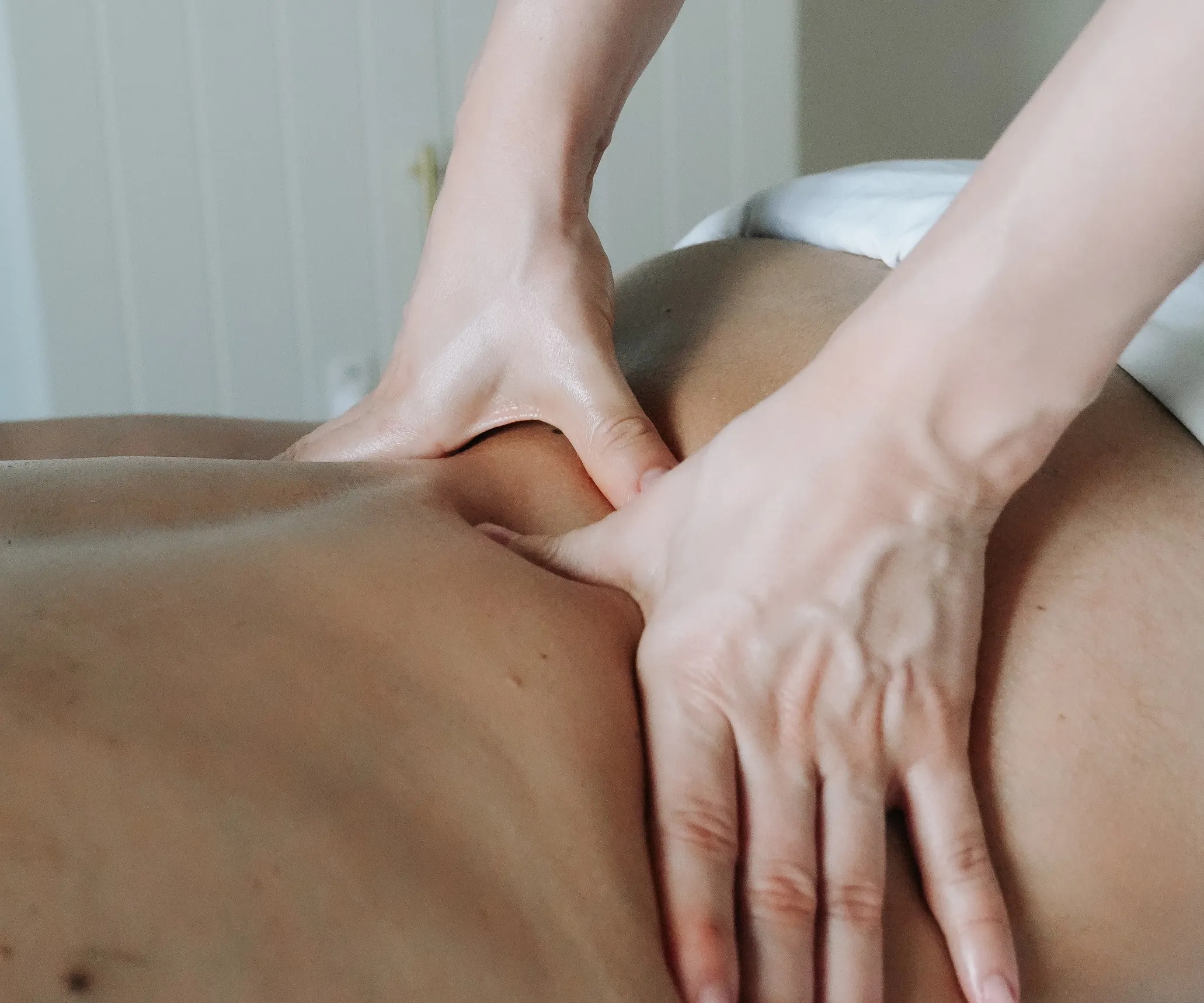
Therapeutic and relaxing massage
Many people describe benefits of regular massage for stress and sleep:
- It may help reduce stress and cortisol levels
- It may be associated with a greater sense of well-being and relaxation
- It can ease muscle tension and the feeling of "constant alert" in the body
Types of massage that can be especially helpful:
- Relaxing massage: ideal if you feel a lot of mental tension and find it hard to slow down
- Deep Tissue: for those who carry stress in the body (shoulders, neck, back) and need to release deep tension
- Ayurveda and Hot Stones: combine heat, touch and rhythm to induce a deep state of nervous system relaxation
Many clients report, after sessions:
- Falling asleep more easily
- Waking up less often during the night
- Sleep that feels "heavier" and more restorative
A space designed for slowing down
The environment at WellZen (soft light, aromas, calm music, conscious touch) is designed to:
- Signal to the brain that it is safe to "switch off"
- Ease the transition from "fight/flight" mode to "rest/recovery" mode
- Create a real pause in the middle of intense days
Small daily habits to support cortisol, sleep and longevity
Besides massage sessions, a few simple adjustments can boost the results:
Sleep routine
- Try to go to bed and get up at regular times, even at the weekend
- Create a "wind-down hour" 60–90 minutes before bed: lower light, no screens, calm activities
- Avoid heavy meals, alcohol and caffeine in the 4–6 hours before bed
Stress management
- Breathing pauses through the day (for example, 4 seconds in and 6 seconds out, for 2–3 minutes)
- Short walks outdoors, especially in the morning, to help synchronise the circadian rhythm
- Intentional moments of "doing nothing", with no phone and no tasks
Movement and body
- Regular physical activity improves sleep quality and helps regulate cortisol
- Prefer more intense workouts earlier in the day; in the evening, choose stretching, yoga or gentle walks
When to seek support
If sleep, stress or tiredness problems persist for weeks, or interfere significantly with your daily life, it may help to:
- Talk to your family doctor
- Consider an assessment for possible sleep disorders (such as apnoea)
- Include therapeutic massage as part of a broader plan to look after stress and sleep
At WellZen, we can work with you to create a massage routine that specifically supports your goals of relaxation, sleep and long-term well-being.
Book your session at WellZen by Diana
If you feel that stress and sleep are draining your energy and quality of life, therapeutic massage can be a turning point.
- Where: Rua Pinheiro Chagas 43, 1º andar, 1050-053 Lisboa (near Saldanha, Avenidas Novas, Campo Pequeno)
- Opening hours: Mon to Sat, 9am–9pm
- Contact: [email protected] · Phone/WhatsApp: +351 910 275 596
Book your session and start treating your cortisol, your nervous system and your sleep as pillars of your longevity.