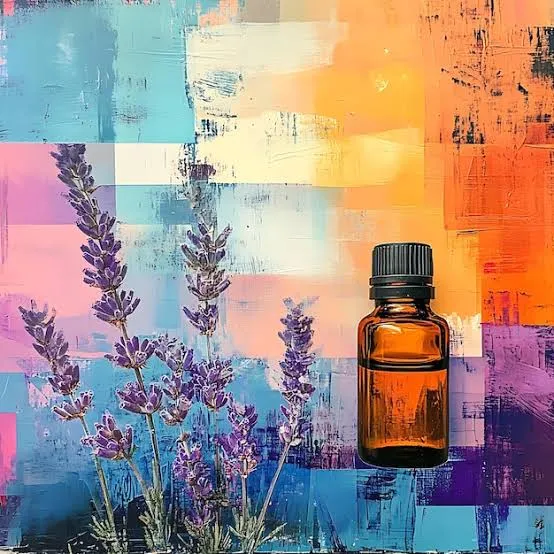
A massage is already, in itself, a transformative experience. But when we combine therapeutic touch with the power of aromatherapy, what happens in your body goes far beyond muscle relief.
At WellZen, essential oils are not a decorative extra or pleasant background scent. They are a therapeutic tool chosen with intention, adapted to you, to that specific moment, to what your body and nervous system need that day.
What happens when oil comes in contact with the skin
During a massage, the skin is warm, circulation is activated, and pores are more receptive. The bioactive compounds in essential oils penetrate more effectively than in any other context. At the same time, aromatic molecules reach the limbic system, the part of the brain linked to emotions and nervous system regulation.
In a single session, you receive the benefit through two pathways simultaneously: dermal and olfactory.
Why we don't use the same essential oil for everyone
The state each person arrives at the session in is different. That's why the choice of essential oil is part of the initial consultation at WellZen:
- 🌸 Lavender or chamomile - for overloaded nervous systems, anxiety, or difficulty disconnecting
- 🌿 Eucalyptus or rosemary - for deep muscle tension, physical fatigue, or feeling of heaviness in the body
- 🍃 Lemongrass - for mental clarity, sense of renewed energy, and support for muscle recovery after physical exertion
- ☀️ Bergamot or sweet orange - for low mood, low energy, or need for emotional lightness
- 🔥 Ginger or black pepper - for slow circulation, cold limbs, or contracted muscle
- 🕯️ Ylang ylang or sandalwood - for deeper relaxation sessions and inner reconnection
Carrier oils suitable for massage
Essential oils should never be applied neat to the skin — they need to be diluted in a carrier oil:
- Fractionated coconut oil: Light, neutral, moisturising
- Jojoba oil: Absorbs well, suitable for sensitive skin
- Sweet almond oil: Nourishing, mild scent
- Avocado oil: Rich, ideal for dry skin
- Sunflower oil: Light, versatile
Safe dilution: 2–4 drops of essential oil per 30ml of carrier oil
Massage protocol with essential oils
Before the session
- Confirm with the client whether they have any allergies or sensitivities
- Patch-test the oil on a small area (inner forearm) for reaction
- Avoid oils during pregnancy or if on medication without prior confirmation
During the massage
- Warm the oil between your hands before applying
- Start with light pressure, then increase if needed
- Allow the oil to work — it is not a cleanser that needs to be washed off
- Combine with aromatherapy (diffuser) to enhance the effect
After the session
- Allow the skin to absorb (do not wipe off)
- Advise avoiding hot water for 2–3 hours
- Recommend drinking water to support detoxification
Popular oil blends for different goals
For stress and relaxation
- Lavender + Ylang Ylang + Frankincense
For muscle pain
- Eucalyptus + Ginger + Peppermint
For circulation and energy
- Ginger + Peppermint + Sweet Orange
For sleep
- Lavender + Chamomile + Frankincense
For post-injury recovery
- Ginger + Frankincense + Chamomile
What changes in the experience
The difference is noticeable from the first few minutes. The aroma prepares the nervous system to receive the manual work with much less resistance. The muscle yields more quickly. The mind slows. The body trusts.
At the end of the session, many clients describe a sensation that goes beyond physical relaxation — a clarity, a lightness that is not just muscular.
Safety and quality first
At WellZen, we use only therapeutic-grade essential oils, always diluted in high-quality vegetable oils. The concentration and combination are always adapted to your profile, including any sensitivities or health conditions.
Not all essential oils are equal:
- 100% pure: The label should say "100% pure essential oil" or equivalent
- Therapeutic grade: Low-temperature distillation, no added chemicals
- Known origin: The plant's source is traceable
- Fair price: Very cheap oils are often diluted or counterfeit
Aromatherapy in massage is not a fad. It is a practice with ancient roots and growing scientific evidence, applied with care and discernment.
Contraindications and precautions
Avoid during pregnancy
- Eucalyptus, Peppermint, Ylang Ylang
- Always consult a healthcare professional first
Avoid with allergies or sensitivities
- Always patch-test on a small area first
- Discontinue if irritation or reaction occurs
Medications
- Some oils can interact with medications (e.g. eucalyptus with anticoagulants)
- Inform the therapist of any medication you are taking
Babies and children
- Use only very mild oils (chamomile) with strong dilutions
- Best to consult a paediatrician first
Frequently Asked Questions About Aromatherapy in Massage
Is aromatherapy in massage safe for everyone? Generally yes, as long as the oils are therapeutic grade, properly diluted, and chosen according to each client's profile. At WellZen, sensitivities, allergies, and health conditions are always considered before the session.
Which essential oil is most suitable for anxiety? Lavender and chamomile are traditionally associated with nervous system relaxation and anxiety reduction, and are frequently chosen for aromatherapy sessions with this goal.
What is lemongrass oil used for in a massage? Lemongrass is used to promote mental clarity and sense of renewed energy, and is also associated with supporting muscle recovery after physical exertion.
How long does the effect of aromatherapy last after the massage? The feeling of relaxation and well-being can last for hours after the session, although it varies from person to person, depending on the oil used and the client's initial state.
🌿 At WellZen, every detail of your session is designed with you in mind. The essential oil we choose is not random — it is part of the treatment. Book your aromatherapy massage and discover the difference.