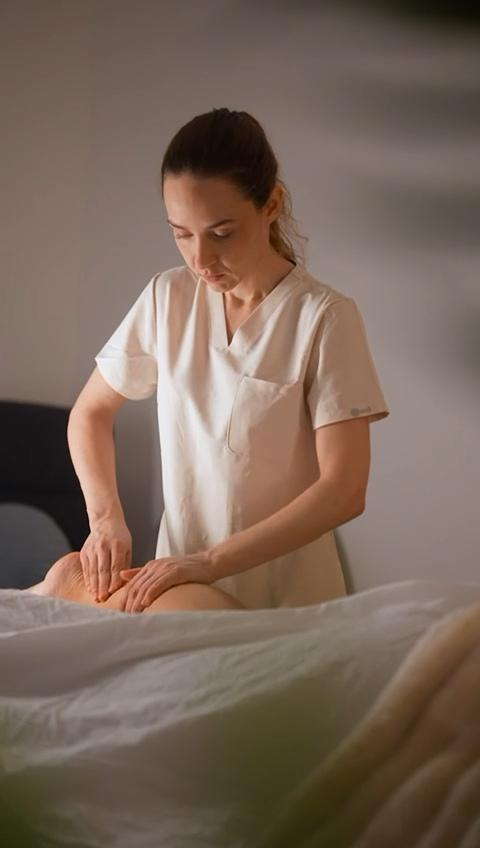
In an increasingly fast-paced world, dedicating time to caring for body and mind is no longer a luxury but a necessity. Massage is one of the most effective ways to relieve stress, reduce muscle pain, and restore physical and emotional balance—but the variety of available options can make choosing confusing.
Relaxing or Deep Tissue? Ayurveda or Hot Stones? The answer depends on you: on what you feel, what you're looking for, and where you are in your life.
Relaxing Massage
For those who want to disconnect and breathe deeply.
Relaxing massage uses soft, fluid, and rhythmic movements that work the muscle surface to release accumulated tension. The main goal is to calm the nervous system and invite the body to let go of what no longer serves it.
It's the right choice for those dealing with:
- Daily stress and anxiety
- Insomnia or poor sleep quality
- Accumulated fatigue without specific muscular cause
- Need for a genuine moment of pause
It can be done without specific clinical indication and is suitable for practically everyone. If you've never had a massage before, this is the natural starting point. The ideal frequency is weekly or fortnightly, depending on your usual stress level.
Deep Tissue Massage
For those with persistent muscle pain or deep tension.
Deep Tissue Massage uses firm pressure and slow movements that reach the deeper muscle layers—where chronic tension knots settle, ones that surface massages cannot reach.
It's the indicated choice for:
- Intense or chronic muscle pain
- Persistent knots and trigger points
- Established postural problems
- Recovery from intense physical effort (athletes, manual workers)
- Accumulated tension in trapezius, neck, and lower back area
The process can be temporarily uncomfortable in areas of greater tension—but the relief that follows is deep and lasting. Not recommended in the acute phase of inflammation.
Therapeutic Massage
For those with localized pain or in recovery.
Therapeutic massage has a clinical and personalized focus: it acts on specific areas of discomfort, muscle tightness, and stiffness, with manual techniques adapted to each person's condition.
It differs from relaxing massage in its intentionality—each movement has a concrete therapeutic goal. It is especially indicated for:
- Cervical, lower back, or shoulder pain
- Post-injury recovery (after medical evaluation)
- Muscle tension from repetitive strain
- Complement to physiotherapy
Diana always evaluates clinical history before the session to adapt techniques to each client's moment and condition. Frequency depends on the situation—in acute phases, two sessions per week; for maintenance, one monthly session.
Hot Stones Massage
For those who want deep relaxation with less manual pressure.
Volcanic basalt stones are heated to controlled temperature and used in combination with massage movements. The heat penetrates deeply into muscle tissues, accelerating relaxation and improving circulation in ways manual pressure alone cannot replicate.
Ideal for:
- Muscle tension with difficulty relaxing
- High stress and highly activated nervous system
- Those who prefer gentler pressure but want deep results
- Chronic feeling of cold in limbs
Contraindications: pregnancy, extensive varicose veins, cardiovascular problems, or skin sensitivity changes. Always inform the therapist of your health condition before the session.
Ayurveda Massage
For those seeking mind-body balance and recovery from exhaustion.
Ayurveda Massage is rooted in traditional Indian medicine over five thousand years old. It combines heated natural oils, specific movements, and work on the body's energy points to restore balance among the three doshas—Vata, Pitta, and Kapha.
The result goes beyond physical relaxation: it is an experience of deep rebalancing, especially effective in cases of:
- Mental fatigue and emotional exhaustion
- Chronic stress with impact on immunity and sleep
- Energy imbalances and feeling of "disconnection"
- Detoxification and inner lightness
The choice of oils and technical approach are adapted to each person's predominant dosha. If you don't know your dosha, you can take the questionnaire available on our website before the session.
Prenatal Massage
For pregnant women who need comfort and specialized care.
Pregnancy transforms the body in profound ways—and prenatal massage adapts to that process. Gentle and specific movements relieve characteristic pregnancy tensions, with attention to safe zones and positions in each trimester.
Benefits include:
- Relief from lower back and sciatic pain common in pregnancy
- Reduction of swelling in feet and legs
- Improved sleep
- Emotional support during a period of great transformation
Recommended from the second trimester onwards, always with medical approval. Diana has specialized training in prenatal massage and adapts each session to the stage of pregnancy and the expectant mother's needs.
How to decide: a quick guide
| Goal | Indicated Massage |
|---|---|
| Disconnect and reduce stress | Relaxing or Hot Stones |
| Deep or chronic muscle pain | Deep Tissue or Therapeutic |
| Injury recovery or localized pain | Therapeutic |
| Emotional or mental exhaustion | Ayurveda |
| Relaxation with deep heat | Hot Stones |
| Pregnancy | Prenatal |
| First time | Relaxing |
Unsure? Tell Diana what you feel.
You don't need to arrive at the session with the massage type already chosen. Diana always does an initial evaluation before starting—a brief conversation about your physical state, your complaints, and your goals.
From there, the approach adapts to you: sometimes it's a single technique, other times a combination. What matters is that the session genuinely responds to what your body needs at that moment.
"I didn't know what to choose the first time. Diana immediately understood what I needed—I didn't even know I was like that." — Sofia, 34, WellZen client
Book your first session and let your body speak.