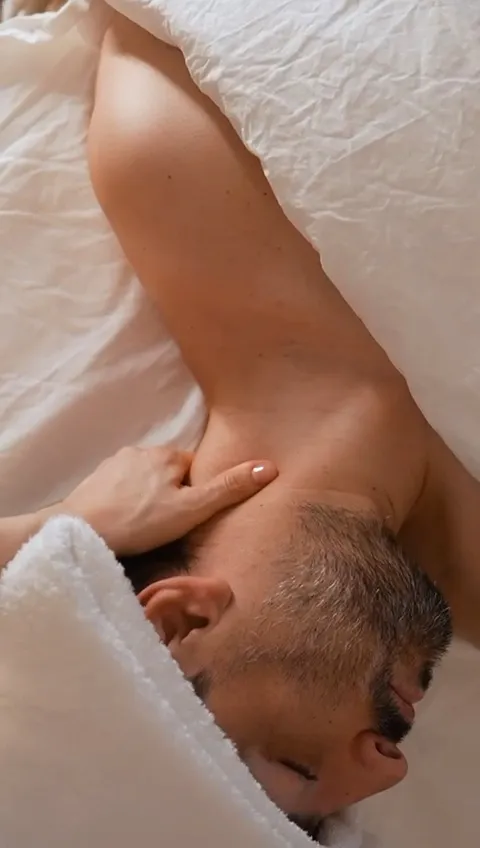
Waking up in the morning with a stiff neck and pain radiating into the shoulder is an experience most of us know. Stiff neck is one of the most common musculoskeletal problems, and also one of the most debilitating in daily life. The good news? Therapeutic massage is one of the most effective and natural ways to treat it.
What is stiff neck and why does your neck "freeze"?
Stiff neck results from a spasm—an involuntary and persistent contraction—of the neck muscles, especially the sternocleidomastoid and trapezius. It can be triggered by incorrect sleeping position, cold draft, prolonged screen use, accumulated stress, or sudden movements.
The pain limits head rotation, causes shoulder tension, and in more intense cases can cause headaches and tingling in the arm. Ignoring the problem rarely resolves the situation; on the contrary, the muscle remains in spasm and inflammation worsens.
"Muscle tissues in spasm deprive themselves of oxygen and accumulate inflammatory metabolites. Massage interrupts this cycle directly and measurably."
Main benefits of massage for stiff neck
1. Immediate pain relief
Therapeutic pressure on tension points promotes the release of endorphins and interrupts the pain signal sent to the central nervous system. Most clients feel significant relief already in the first session.
2. Improved circulation
Massage increases local blood flow, bringing nutrients and oxygen to the damaged muscle and accelerating the removal of accumulated toxins. This process is fundamental for muscle recovery.
3. Recovery of movement range
By releasing contracted muscle fibers and surrounding fascia, it progressively restores natural head rotation and correct posture. Movements that were impossible become fluid again.
4. Stress reduction
Much of stiff neck originates from chronic tension. Massage reduces cortisol levels and induces a state of deep relaxation, interrupting the tension-pain-tension cycle.
5. Prevention of recurrence
Regular sessions keep cervical muscles flexible and well-nourished, significantly reducing the likelihood of stiff neck returning. Prevention is always more effective than repeated treatment.
6. Better sleep
Without neck pain or tension, sleep quality improves—which in itself is an essential factor in muscle recovery. The body recovers better when it can rest properly.
What type of massage is most suitable for stiff neck?
Not all massages are the same. For stiff neck, techniques with the best results in Lisbon include:
Deep Tissue massage - Acts on deeper muscle layers, ideal for persistent spasms and trigger points that perpetuate pain. This is often the most effective technique for established stiff neck.
Therapeutic Swedish massage - Indicated in initial phases, where sensitivity is greater. Effleurage and pétrissage movements unblock tension without aggravating inflammation. Perfect for the first 24-48 hours.
Myofascial massage - Works the fascia, the connective tissue surrounding muscles—restoring mobility when structures become stuck. Essential when stiff neck is recurring.
Trigger point release - Sustained pressure on tension nodules that, when released, eliminate referred pain radiating to the shoulder or head. Many chronic stiff neck cases originate from untreated trigger points.
📖 Learn more: Discover therapeutic massage and deep tissue massage for treatment of muscle tightness and pain in Lisbon.
When should I get a massage session?
Ideally, at the first signs of spasm—the earlier you intervene, the faster the recovery. In acute stiff neck, a single session can make a noticeable difference. For chronic or recurring situations, a protocol of 3 to 6 sessions over a few weeks tends to be very effective.
At WellZen by Diana in Saldanha, Diana Ferreira evaluates each case individually and defines the most appropriate protocol for your recovery. The approach is always personalized to the characteristics of your spasm and your individual history.
"Massage is not a luxury; it is a scientifically-based therapeutic tool that should be part of any serious approach to musculoskeletal well-being."
Important note: If pain is accompanied by persistent tingling, weakness in the arm, fever, or follows trauma, consult a doctor first to rule out causes requiring specific treatment (such as cervical herniation, meningitis, or vertebral injuries).
Frequently Asked Questions
How many sessions are needed to resolve a stiff neck? For acute stiff neck (less than 48 hours), 1-2 sessions are often sufficient. For chronic or recurring stiff neck, a protocol of 4-6 sessions over 2-3 weeks is recommended, followed by monthly maintenance.
Can massage worsen a stiff neck? Deep massage poorly applied in a very acute phase can temporarily worsen pain. That's why the choice of therapist and adjustment of pressure are so important. At WellZen we always adapt the technique to the phase of the process.
Can I get massage if I'm taking anti-inflammatories? Yes, generally there is no problematic interaction. Always inform the therapist of the medication you're taking. Anti-inflammatories may mask some pain during the session, so we adjust pressure more carefully.
How long does each session last? For stiff neck, we recommend 55 or 70-minute sessions. This allows focused work on the cervical and shoulder region, but also time to relax the rest of the body, which enhances results.
How much does massage for stiff neck cost in Lisbon? At WellZen by Diana, in Saldanha, therapeutic massage sessions cost €60 (55 min) or €75 (70 min). 70-minute duration is recommended for complete treatment of persistent stiff neck.
Can massage prevent future stiff neck? Yes. Regular sessions (monthly or fortnightly) keep cervical muscles flexible and well-nourished, significantly reducing the likelihood of new episodes. Many Lisbon clients report complete elimination of recurring stiff neck after a few months of regular treatment.