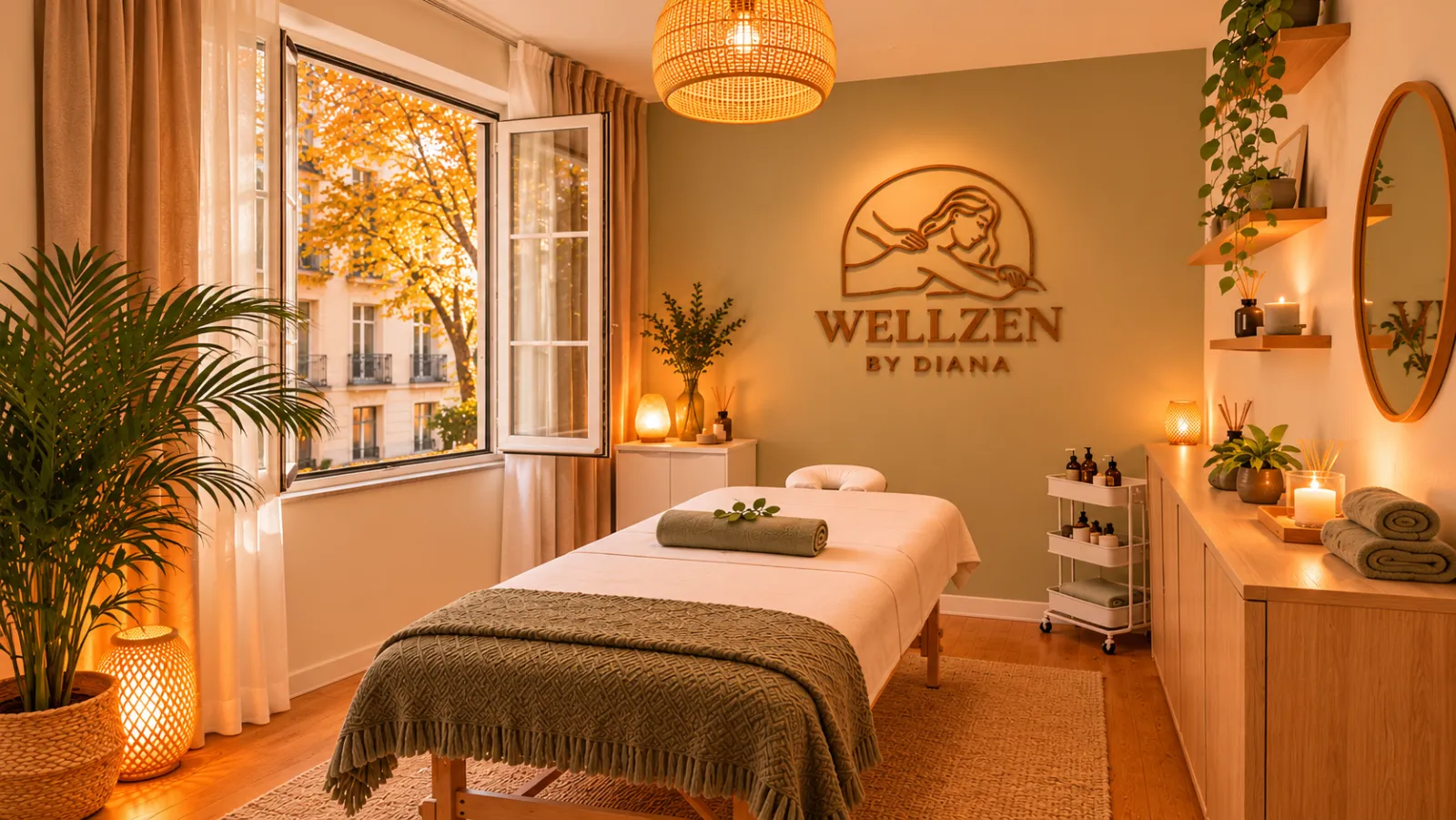
With the arrival of autumn, the days get shorter, temperatures drop and natural light starts to fade. For many people, this change of season brings a feeling of comfort: quiet afternoons, warm blankets and moments of retreat. But for others, autumn also seems to bring a change in mood.
Feeling less energy, some melancholy, wanting to stay at home or struggling to find motivation are fairly common experiences at this time of year. It is what many people call the autumn blues.
But why does it happen? And can a massage help restore a sense of balance, calm and well-being?
What are the autumn blues?
The autumn blues are not, in themselves, a medical diagnosis. It is an expression used to describe a feeling of low spirits, tiredness or melancholy that some people experience as the seasons move from summer to the colder months.
This change can show up in different ways:
- Less energy: feeling tired even after sleeping, or having less desire to do things.
- Mood changes: more irritability, emotional sensitivity or a feeling of sadness with no obvious reason.
- Less motivation: difficulty starting tasks or wanting to put off usual activities.
- A wish to withdraw: preferring to stay at home and reducing social contact.
- Changes in sleep: feeling sleepier or finding it hard to keep a rest routine.
- More physical tension: tension building up in the shoulders, neck and back, often linked to stress.
Not everyone experiences these symptoms and their intensity can vary quite a lot.
Why can autumn affect our emotional state?
Several factors help explain why some people feel emotionally different during this season.
1. Less exposure to natural light
One of the most important factors is the reduction in daylight hours during autumn and winter.
Natural light helps regulate our body clock, which influences sleep and wake cycles. Light exposure is also linked to brain mechanisms involved in mood regulation.
When the days get shorter, some people may notice changes in their sleep, energy and mood.
2. Changes in routine
The end of summer often means going back to work, classes, responsibilities and more demanding schedules.
After a period of holidays, adjustment and changing routines, it is natural for the body and mind to need some time to regain their balance.
3. Less outdoor activity
With rain, cold and shorter days, we often spend more time indoors.
Walking, exercising or simply spending time outdoors become less frequent. This drop in physical activity and contact with nature can contribute to a feeling of lower vitality.
4. Built-up stress and tiredness
Autumn can also be the time when we start to feel the weight of months of work, worries and responsibilities.
Sometimes what we interpret as sadness is also a sign of accumulated physical and emotional tiredness.
Autumn blues or Seasonal Affective Disorder?
It is important to tell apart a slight change of mood linked to the change of season from a clinical condition.
Seasonal Affective Disorder (SAD) is a form of depression with a seasonal pattern, often appearing in autumn or winter and improving in spring.
It can involve more persistent and intense symptoms, such as deep sadness, loss of interest in usual activities, significant changes in sleep and appetite, difficulty concentrating and social withdrawal.
If these symptoms are persistent, get in the way of daily life or are getting worse, it is important to seek help from a health professional. Massage can be a well-being complement, but it does not replace psychological or medical care.
How can massage help during autumn?
When we feel lower, we don't always need to do more. Sometimes we simply need to stop.
Massage can be a way of creating that space for a pause, letting the body relax and giving the mind some time away from the demands of everyday life.
Although it is not a treatment for depression or Seasonal Affective Disorder, massage can contribute to well-being in several ways.
1. Reducing stress and encouraging relaxation
Therapeutic touch, in a calm and comfortable setting, can help ease the feeling of tension and stress.
During a massage, many people feel they can temporarily switch off from their worries, slow down and focus on the present moment.
This period of rest can be especially important when the days feel more demanding and emotionally heavy.
Recommended massage: Relaxing Massage.
2. Easing built-up muscle tension
Emotional stress often shows up in the body. It is common to feel tight shoulders, a stiff neck or tension in the back when we go through periods of greater worry or tiredness.
Massage helps work on these areas of tension, promoting muscle comfort and a greater feeling of lightness in the body.
Recommended massages: Deep Tissue or Therapeutic Massage, according to each person's needs.
3. Improving the feeling of rest
Many people associate massage with a feeling of calm that carries on beyond the session.
The relaxation it provides can support a more pleasant experience of rest and help create a moment of slowing down, especially for those who find it hard to switch off at the end of the day.
A massage does not replace treatment for sleep problems, but it can be part of a self-care routine.
Recommended massages: Relaxing Massage or Hot Stones.
4. Reconnecting with your body
When we are under stress or emotionally tired, we can spend whole days focused on tasks, problems and responsibilities without paying attention to our body's needs.
A massage offers a moment to feel your body again, recognise tension and simply be present.
This conscious contact can help create a feeling of comfort, calm and connection with yourself.
Recommended massages: Ayurveda or Relaxing Massage.
5. Creating a moment of self-care
Perhaps one of the greatest benefits of massage in autumn is the chance to set aside time for ourselves.
We don't have to wait until we are in pain or at the limit of our tiredness to look after our body.
Having a regular moment of pause can help establish a self-care routine, especially during the months when we tend to stay in more and give less time to our well-being.
Other ways to deal with the autumn blues
Massage can be part of a broader approach to well-being. There are also small habits that can help you get through this season with more energy and balance:
- Make the most of natural light: go out for a walk during the day, even if it is cold or cloudy.
- Stay active: walking, yoga, pilates or any other activity you enjoy.
- Keep up social contact: keep meeting friends and family, even when you feel less like going out.
- Respect rest: keep regular sleep hours and create a calm environment at the end of the day.
- Make time for enjoyment: reading, listening to music, taking a hot bath or spending time on a hobby.
- Set aside time for yourself: don't let every hour of the day be taken up by work and responsibilities.
Small changes can make a positive difference to how we experience the colder months.
If you want to understand better how stress, cortisol and sleep are related, also read:
Cortisol, Stress and Sleep: How the Nervous System Influences Our Well-Being.
Frequently asked questions about the autumn blues and massage
Are the autumn blues the same as depression?
Not necessarily. The autumn blues is an expression used to describe passing low spirits or tiredness with the change of season and is not a diagnosis. Seasonal Affective Disorder is a clinical condition, with more intense and persistent symptoms, which should be assessed by a health professional.
Does massage treat seasonal sadness?
No. Massage is a complementary well-being practice and does not replace medical or psychological care. It can be a moment of pause, relaxation and self-care during a more demanding time.
Which massage should I choose if I feel lower and tired?
It depends on what you are looking for. Relaxing, Hot Stones and Ayurveda massage are options for those who want to slow down and unwind. Deep Tissue or Therapeutic massage may suit better if you feel tension in your shoulders, neck or back. Before the session, Diana talks with you to adapt the massage.
How often should I have a massage in autumn?
There is no universal frequency. Some people prefer an occasional session, others opt for regular sessions through the colder months. The frequency should be adjusted to your needs and preferences.
When should I see a health professional?
If you feel persistent sadness, loss of interest in usual activities, significant changes in sleep or appetite, or if these symptoms get in the way of your daily life, seek medical or psychological advice.
Look after yourself this autumn with Wellzen by Diana
Autumn can be an invitation to slow down, listen to your body and give more attention to your well-being.
At Wellzen by Diana, in Lisbon, each massage is adapted to each person's needs, in a calm and welcoming setting designed to offer a moment of care and relaxation.
If you feel you need to switch off, ease tension or simply give yourself a break, there are different options:
- Relaxing Massage: ideal for those looking for calm and a pause from everyday stress.
- Hot Stones Massage: combines massage with the warmth of stones for a deeply comforting experience.
- Pindas Massage: combines the touch of massage with bundles of aromatic herbs, creating a sensory and relaxing experience.
- Ayurveda Massage: a holistic approach that favours balance and well-being.
- Deep Tissue Massage: suited to working on deeper muscle tension.
- Therapeutic Massage: adapted to each person's specific needs.
Don't wait until you are completely worn out to look after yourself.
This autumn, give your body and mind a moment to breathe.
Book your session and discover how a moment of care can be part of a more balanced routine.
Note: Massage is a complementary well-being practice. It does not replace medical or psychological care. If you feel persistent sadness, loss of interest or significant changes in your daily life, seek advice from a health professional.